 Deportivo Riestra Hub
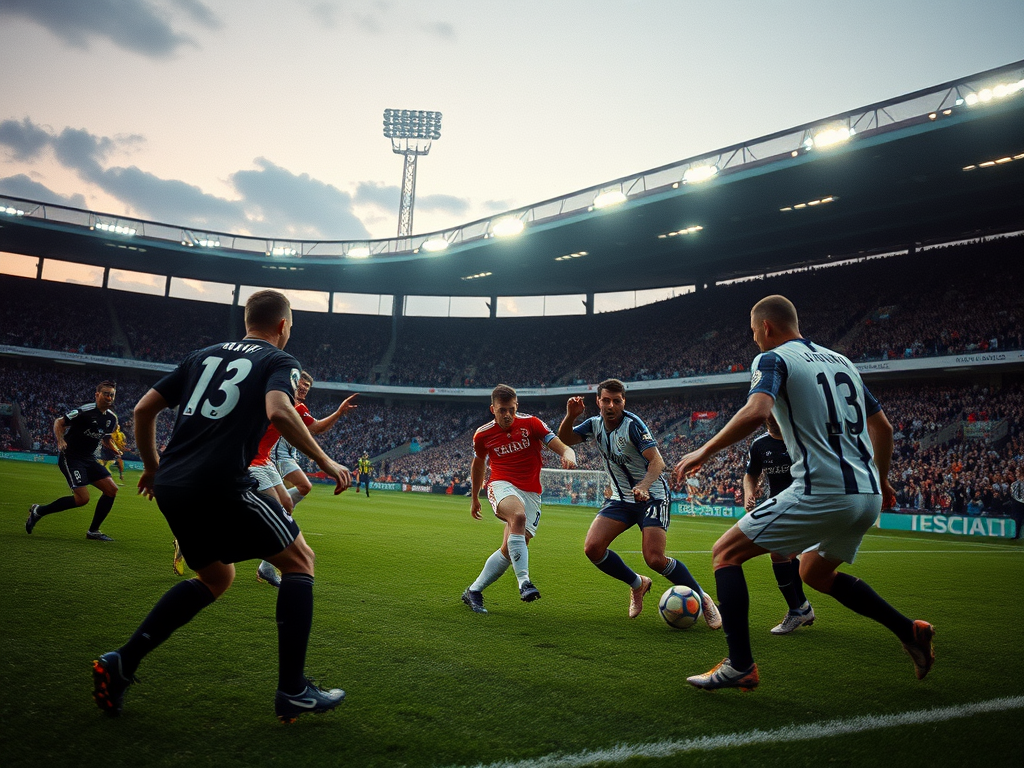
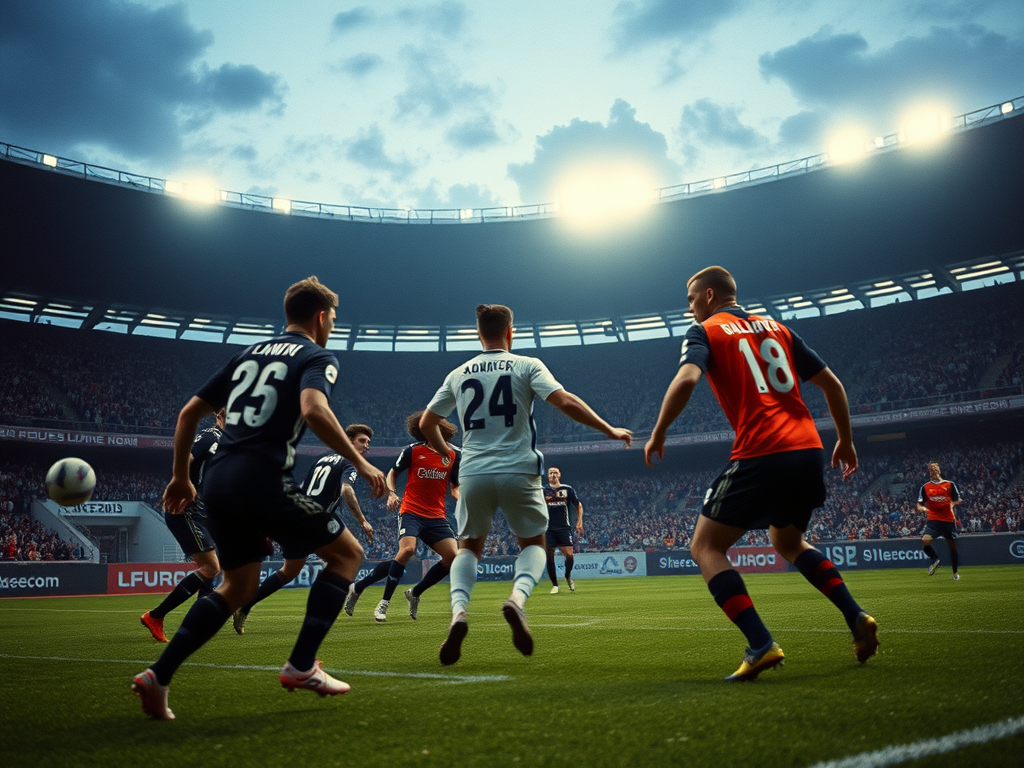
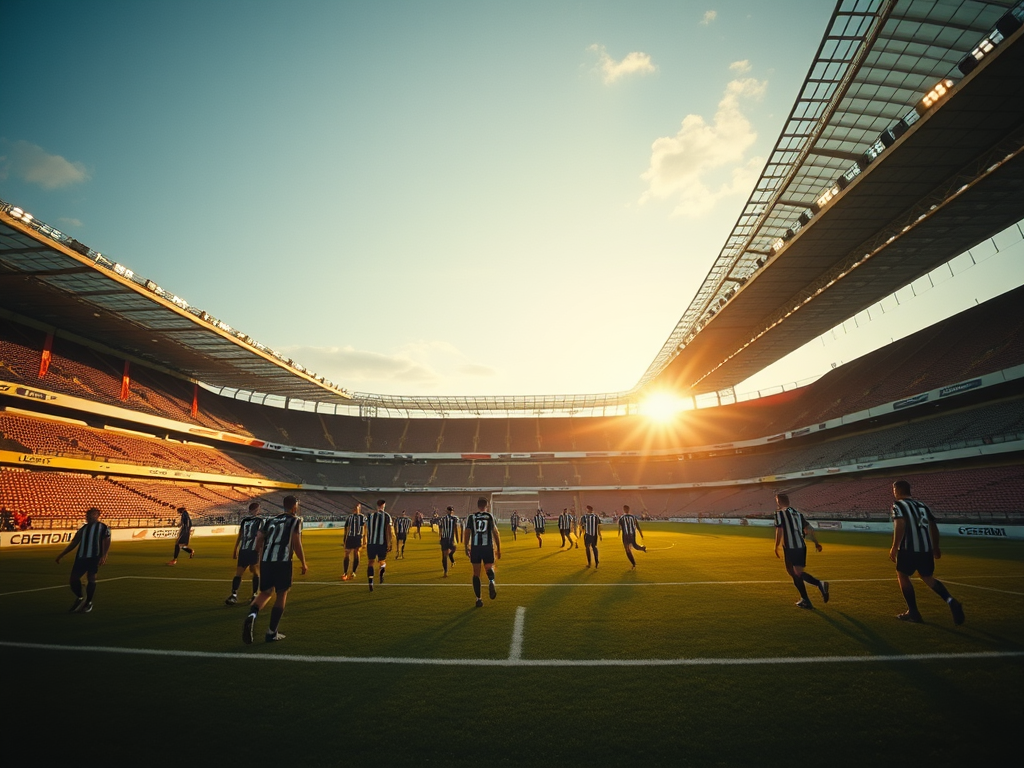
As Deportivo Riestra, affectionately known as Los Blanquinegros, navigates through the Liga Profesional Argentina, their recent form has illuminated both strengths and weaknesses on the pitch. While the team has showcased moments of attacking flair and defensive solidity, there are tactical tweaks that could elevate their game further. Here, we delve into the current tactical setup and propose adjustments that could yield better results as the season progresses.
Current Tactical Setup
Under the guidance of their coaching staff, Deportivo Riestra has predominantly utilized a 4-2-3-1 formation. This setup provides a solid defensive base while allowing for dynamic attacking transitions. However, the reliance on individual brilliance, particularly from key players like I. Arce and Alejo Duarte, has often overshadowed the need for cohesive team strategies. The midfield duo of P. Monje and M. Barbieri has shown promise but has struggled with consistency, especially in high-pressure situations.
Proposed Tactical Adjustments
1. Enhanced Midfield Coordination: One immediate area for improvement is the coordination between the two central midfielders. While Monje and Barbieri have their strengths, increasing their interchangeability and communication could help in both defensive duties and in transitioning the ball forward. Introducing a more fluid movement pattern, where one midfielder pushes up to support the attack while the other stays back, might create more space for wingers to exploit.
2. Utilizing Width Effectively: Los Blanquinegros have at times appeared narrow in their attacking play. Encouraging the full-backs to overlap more frequently could stretch opposing defenses and create more one-on-one opportunities for wingers. This change would not only increase the width of the attack but also provide more crossing opportunities into the box where strikers can capitalize on defensive lapses.
3. Pressing Strategy Tweaks: While Deportivo Riestra has employed a pressing game to regain possession higher up the pitch, it has occasionally lacked intensity and organization. Instituting a more structured pressing system, where players know when to engage and when to fall back, could lead to improved recovery rates of the ball. This might involve assigning specific triggers for pressing, such as when the opposition plays a backward pass or when they attempt to build out from the back.
4. Substituting Fresh Legs at Critical Phases: The management could also benefit from being more proactive with substitutions. Introducing fresh legs in the later stages of matches, particularly in midfield and attack, could maintain energy levels and tactical discipline. This strategy would be especially effective when the team is defending a lead or trying to break down a resolute opponent.
5. Set-Piece Optimization: Set pieces represent a golden opportunity to score and should not be overlooked. Deportivo Riestra could benefit from incorporating more varied routines during corners and free-kicks, utilizing the height and physicality of players like N. Benegas. This might involve rehearsing specific plays that create confusion for defenders, thus enhancing their chances of converting these opportunities.
Conclusion
With the right tactical adjustments, Deportivo Riestra has the potential to transform glimpses of talent into consistent performances. By enhancing midfield coordination, utilizing width effectively, refining pressing strategies, making timely substitutions, and optimizing set pieces, Los Blanquinegros can look forward to climbing the Liga Profesional Argentina standings. The upcoming matches present an opportunity to implement these tweaks and build upon their recent form, ensuring that Deportivo Riestra remains competitive in their quest for success.